
















 Share
Share
Wildlife tours in Southern Peru
Transfer to the airport for the flight to Puerto Maldonado. Reception at the airport and transfer by canoe to the jungle lodge. Packed lunch on the canoe. Travelling through virgin rainforest, you will eventually reach the lodge in pristine primary rainforest.15 days / 14 nights.
Arrival in Lima, reception and transfer to your hotel.
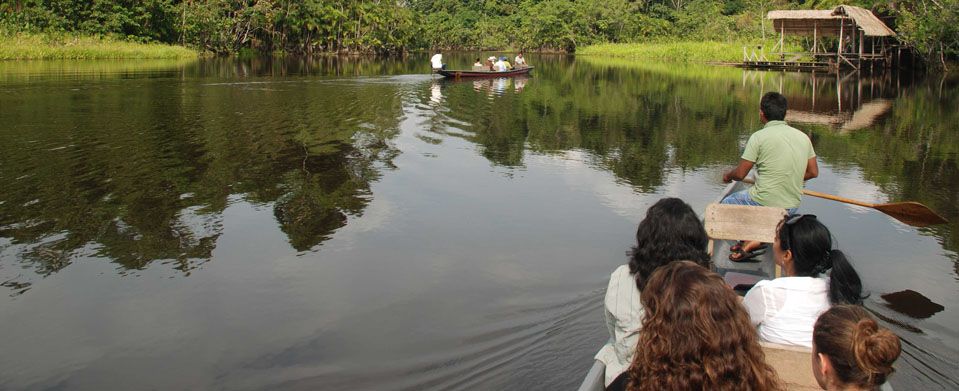
Day 2:Transfer to the airport for the flight to Puerto Maldonado. Reception at the airport and transfer by canoe to the jungle lodge. Packed lunch on the canoe. Travelling through virgin rainforest, you will eventually reach the lodge in pristine primary rainforest. An introductory walk into the forest behind the lodge which is dominated by giant Brazil-nut and Dipteryx trees. Frequently seen mammals on the trail are Saddle-back Tamarins, Brown Capuchins and Agoutis as well as Toucans. Return for dinner.
Meals: D
Day 3:Trip to the Macaw Clay-lick (Colpa) by canoe, continuing a further 4 hours upriver, deep within the National Reserve where the actual Collpa is situated. After lunch a guided exploration of the the trail system in the area. Camp on a beach near the Collpa.
Meals: L
Day 4:A pre-dawn start is needed to get to the clay-lick before the birds. They arrive in search of minerals and salts and the digestive properties of the clay. On average, several hundred macaws and smaller parrots visit the clay-lick daily, including Scarlet, Blue and Yellow, Red and Green, Chestnut-fronted and Blue-headed parrots, among others. This clay-lick is considered to be one of the largest in the world. A late morning hike followed by lunch, where many species of bird abound especially Rufescent Tiger-herons, Great Egrets, Wattled Jacanas, Hoatzin and Donacobius. Return down river to the lodge.
Meals: L
Day 5:A dawn start is required for the canoe trip back to Puerto Maldonado with fabulous views of the sunrise over the river. Opportunity for early morning wildlife observation which is particularly active at this time. Howler monkeys are frequently heard, and your guide will assist in your arrival in Puerto Maldonado. Transfer to the airport for the return flight back to Cuzco. Transfer to your hotel.
Day 6:After breakfast, we travel through traditional Quechua communities and through the spectacular eastern ranges of the Andes to the village of Paucartambo. We then start the ascent to the last pass overlooking the Amazon Basin and begin the breath taking descent from 3500m to 1600m to the comfortable lodge in the orchid laden Cloud Forest. In the late afternoon, we'll arrive at the lodge to the sounds of Quetzals, Trogons and Gray-breasted Wood-Wrens. Night at the Cock-of-the-Rock Lodge.
Meals: B
Day 7:Pre- breakfast walk to a nearby spot in the Cloud Forest where the strange and beautiful Cocks-of-the-Rock display at dawn. A wonderful sight where up to 25 brightly coloured males dance and sing, attempting to attract the duller coloured females. After visiting this lek we return to the Lodge for breakfast and continue our trip to the Madre de Dios River where we will begin our journey down river, past the last folds of the Andes, to its confluence with the Manu River. Just before we reach the village of Boca Manu we pass the native community of Diamante. Passing the village of Boca Manu we arrive at a locally built lodge, where two species of Tamarin monkeys are often seen, -the Saddleback and Emperor. If time permits, we will explore the local trail system.
Meals: B
Day 8:Today we leave Boca Manu, and the relatively clean waters of the Madre de Dios and enter the clay laden waters of the Manu River. With a brief stop at the park ranger station at Limonal to present our permits we travel for about five hours up the Manu river. Beaches, especially in the dry season, are loaded with nesting birds and feeding Herons, Egrets, Orinoco Geese, Terns and also Skimmers. Some beaches will host sunning White and Black Caiman and breeding side-necked Turtles. Hundreds of sand-coloured Nightjars roost during the day on logs and beaches. We shall also see several species of primate on the river trip, possibly Red Howler Monkeys or the smaller Squirrel Monkeys. After having lunch, we will eventually arrive at our Safari Camp (or Casa Machiguenga) near the lake of Cocha Salvador. We'll have the afternoon to explore some of the trails through the pristine rainforest and visit the lake of Cocha Otorongo. Here observation piers and a 20 metre observation tower in the rainforest canopy overlooking the lake are available for observing wildlife. We will also be on the lookout for a large family of Giant Otters that inhabit this lake. After dinner, an optional excursion into the forest at night in search of nocturnal creatures and perhaps with a little luck an Ocelot on the trails. Night at Cocha Salvador camp.
Meals: L & D
Day 9:After breakfast we'll spend the morning at the lake of Cocha Salvador. Some of the time will be spent canoeing on the lake on a floating platform observing ox-bow lake animal life from the water. Agami Heron, Sungrebe and Brown Cappuchin Monkeys are usually seen feeding on fruits nearby. Specially constructed piers enable us to look for a family of Giant Otters that live here, the world's largest freshwater carnivores. The rest of the day will be spent walking the trails in the area in search of some of the 13 species of monkey found here. The guide will explain some of the basics of rainforest ecosystems and point out some of the medicinal plants of the area used by local, indigenous groups. Night at Cocha Salvador tented camp.
Meals: B
Day 10:Today we'll walk from the camp for about 4-5 hours through the forest to Cocha Otorongo. This is a particularly good trail for woolly and black Spider Monkeys. We'll be met at the river by our cook for a picnic lunch and then board the yachts for the 4 hour trip down river to Boca Manu for the night. Night at the lodge at Boca Manu.
Meals: L
Day 11:Leaving the lodge we'll head down the Madre de Dios River for two hours to the comfortable lodge near the Macaw Clay Lick, The Manu Wildlife Center. This strategically located lodge is a base for scientific research in the area and a centre for visitors wishing to explore the rainforest. We should arrive in time for lunch and a shower (hot water) and get to meet researchers onsite. The afternoon is set aside to relax or to explore a trail through the forest to a lookout point on a cliff over the river and watch parrots and macaws. Manu Wildlife Center also has a canopy platform and an observation tower. Opportunity for a night walk with the guide. Night at Manu Wildlife Centre.
Meals: L
Day 12:Early start to the Macaw Clay Lick. Again hundreds of parrots and macaws congregate at this locality to feed on the mineral rich clay that is essential to their digestion. We'll use a floating blind to get close to the birds. The incredible noise and the sight of these brightly coloured birds at the lick is an astonishing experience. Later we'll head for Cocha Blanco, an old ox-bow lake, in search of a family of Giant Otters and canoe around the lake on the floating platforms looking for other wildlife. After lunch, we'll explore other trails in search of Emperor and Saddleback Tamarins, and to see the rare Goeldi's Monkey. Night at the Manu Wildlife Centre.
Day 13:A full day to explore the forest and trails around the lodge. We'll be on the lookout for Monk Saki - an uncommon and rarely seen monkey. We'll explore trails where groups of Manakins, neo-tropical birds, perform their strange mating dances and visit one of the blinds where Guans, parakeets and parrots come for the clay. Here too, groups of black spider monkeys visit to take in the clay to help their digestion. Tapirs, the largest South American land mammals are frequently seen on the nocturnal walks. Night at the Manu Wildlife Center.
Day 14:After breakfast we head upriver (about 2 hours) to the small airstrip at Boca Manu. Arriving at the airstrip we board the aircraft for the 35 minute return flight to Cuzco where you will be transferred to your hotel.
Meals: B
Day 15:Return flight to Lima and onward for your flight home.
End of our services. Please Contact Us Here


Who needs hiking when you can fly? The company Amazing Peruoffers hour-long flight tours right over the Sacred Valley of the Incas. The plane fits a minimum of eight passengers, and it can also be chartered. Passengers fly over Tipon and Pikillaqta, both archaeological sites, Pisaq and the Urubamba Valley, Sacsayhuaman, and, of course, Machu Picchu itself. Flights can be longer or shorter as requested. "
"You can Om your way through Machu Picchu
Machu Picchu is known as one of the most spiritual lands in the world, so why not go all out and Om your way through its ruins? Amazing Peru offers a seven-day yoga tour where visitors travel from Lima to Cuzco and finally to Machu Picchu, where they stay in the famed sanctuary Lodge hotel right outside of the ruins. They participate in multiple meditation and yoga sessions throughout the trip, but the highlight is a private session smack-dab in the middle of the ruins. Now that is an Om experience worth waiting for."

Wellness & Health Travel and Tours
A round Peru and Latin America tours specifically created for those who need to recharge their physical and mental energies. A nurturing and enlivening...
Private Jet Charters in Peru and Latin America (View here)

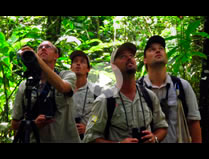
- Christmas in Galapagos & Ecuador Travel
- 2026-27 Christmas in Galapagos & Peru New Year Tour
- 2026-27 Christmas in Galapagos & New Year's in Brazil
- Christmas in Peru and Machu Picchu 2026/2027 - View all
- Christmas Brazil Amazon Cruise
- Christmas Vacations in Costa Rica
- Christmas and New Year in Ecuador & Galapagos Islands
- Christmas and New Year in Chile
- Christmas Vacations in Argentina
- 2026 Christmas Peru and Galapagos Tour
- 2026 Christmas Peru and New Year's Galapagos Tour
- Mexico Christmas and New Year
- New Year's in Peru 2026/2027
- New Year's in Brazil
- Christmas Brazil Tour: Iguazu Falls, Amazon River Cruise from Manaus
- Christmas and New Year's in Latin America 2026/2027
- Brazil & Peru Christmas Highlights Tour - 15 days
- Christmas in Antarctica
- Christmas in the Sun & Beaches
- Winter Christmas & Ski Holidays
- Christmas Cruises
- New Year Getaways
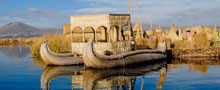

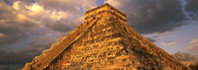
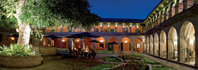
Incl. Miraflores Park, Monasterio & Sanctuary Lodge Hotels, all trains, all private tours, finest service guaranteed




Adan
USA
11th November 2026

Theresa W.
SINGAPORE
9th November 2026
- Ultra Luxury-Luxury Retreat Collection
- Luxury Travel Peru
- Luxury Travel Argentina
- Luxury Travel Brazil
- Luxury Travel Chile
- Luxury Caribbean Trips
- Luxury Travel Galapagos
- Luxury Travel Ecuador
- Luxury Travel Machu Picchu
- Luxury Travel Patagonia
- Luxury Travel Iguassu Falls
- Luxury Travel Mexico
- Luxury Travel Guyana
- Luxury Travel Costa Rica
- Luxury Travel Antarctica
- Luxury Travel Panama
- Luxury Travel Peru & Brazil
- Luxury Travel Peru & ecuador
- Luxury Travel Peru & Costa Rica
- Luxury Travel Peru & Mexico
- Luxury Travel Cuba

Free Cuzco & Machu Picchu Travel Guide
Cusco Tours & Travel Packages
Trekking Tours around Cusco
Cusco Hotels
Cusco Restaurants
Cusco Churches
Cusco Museums
Cusco Archeological sites
About Cusco History
Cusco Food and Drink
Sacred Valley of the Incas
Watch our Inca Trail - Videos here
Watch our Gourmet Tour - Video here
- Peru tours, travel & vacations
- Galapagos tours & cruises
- Ecuador tours, travel & vacations
- Chile tours, travel & vacations
- Brazil tours, travel & vacations
- Bolivia tours, travel & vacations
- Argentina tours, travel & vacations
- Surinam tours, travel & vacations
- Venezuela tours, travel & vacations
- Mexico tours, travel & vacations
- Honduras tours, travel & vacations
- Costa Rica tours, travel & vacations
- Cuba tours, travel & vacations
- Panama tours, travel & vacations
- Paraguay tours, travel & vacations
- Tahiti tours, travel & vacations
- Guyana tours, travel & vacations
- Bora Bora tours, travel & vacations
- Antarctica tours, travel & vacations
- Luxury Caribbean tours, travel & vacations

Private jet & helicopter charters throughout Peru and Latin America.

AMAZING PHILANTHROPY
Helping children in one of Peru's poorest village schools supporting hands-on initiatives such as implementation of classrooms to ensuring the robust education, health, and well-being of young children

AMAZING PHILANTHROPY
As part of our philanthropic projects we support the older community to promote sporting and social events in the lesser known regions of Peru.




Honoured to include to distinguished clients by providing jet services and luxury travel in Peru and Latin America
- Robert De Niro Hollywood Actor, Producer & Director
- Zygmunt Solorz-Żak Businessman Forbes Top 100 World's Billionaire
- Diana Raab American Author • Poet • Lecturer Educator and Inspirational Speake
For more information to join our Hiram Bingham Club visit The Hiram Bingham Club © by Amazing Peru:
The Hiram Bingham Club is an exclusive circle of our most passionate & loyal guests - like-minded individuals who want to experience the highest standard in authentic ultra-luxury travel. We have the World’s Most Exclusive Experiences. Venture Beyond the Extraordinary.
