

















Cuzco History
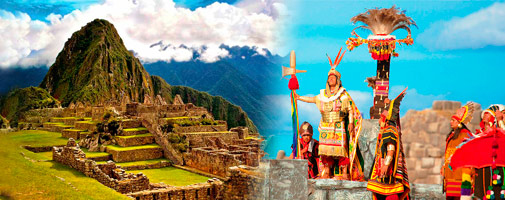
Located in southern Peru at an altitude of 11151 feet (3399m), Cuzco, also known as Cusco or Qosqo (meaning navel or bellybutton in Quechua) is considered the oldest living city on the American continent with a continuous habitation extending for over 3000 years.
Cuzco's history does in fact extend way back to before 1000 BC when the Marcavalle Culture was the dominant power; indeed organized life in QosqoCity began practically with them. In the second phase of its history, around 800BC, Cuzco was home to the Chanapata culture and later developed several regional states, one of the first being that of Qotakalli around 600 A.D. By 750 AD, the Wari invasion from the north of Ayacucho began, resulting in the construction of buildings and what today is known as Pikillaqta. Subsequently, by 800 A.D. the regional state of Killki was formed, which included Sacsayhuaman itself and later that of Lucre around 1000 A.D. What is traditionally known as the Inka civilisation began around 1200 AD in its initial phase, with the first Inka, Manko Capaq and Mama Ocllo. It is also suggested that Pachakuteq, the ninth king, elaborated another foundation in 1438 which is also known as the expansive phase. Inca builders hereafter laid out the city in the form of a puma, with the fortress of Sacsayhuaman as the head, the plaza of Huacaypata as the belly, or navel, and the converging Huatanay and Tullumayo Rivers as its tail.
The ancient plaza was the core of the suyos, the four regions of the Inca Empire extending from Quito, Ecuador to northern Chile. The plaza was the site of official and ceremonial buildings and residences of ruling officials and was the locus for the famous road network where swift runners carried communications to all parts of the empire. Surrounding the city were areas for agricultural, artisanal and industrial production.
After the arrival of the first Spaniards to the city on November 15th 1533, Francisco Pizarro refounded it for the Spanish King on March 23rd 1534. In 1536 Manko Inka began a long and bloody war against the Spanish invaders with a siege lasting over 8 months over the city. Finally in 1572, after a war that lasted 36 years, Tupaq Amaru I, the last emperor of the Inka dynasty was defeated, captured and executed in the city's main square. The Spanish subsequently destroyed many of the structures in the city or used them as foundations for many of their own churches and buildings.

Wellness & Health Travel and Tours
A round Peru and Latin America tours specifically created for those who need to recharge their physical and mental energies. A nurturing and enlivening...
Private Jet Charters in Peru and Latin America (View here)

- Christmas in Galapagos & Ecuador Travel
- 2026-27 Christmas in Galapagos & Peru New Year Tour
- 2026-27 Christmas in Galapagos & New Year's in Brazil
- Christmas in Peru and Machu Picchu 2026/2027 - View all
- Christmas Brazil Amazon Cruise
- Christmas Vacations in Costa Rica
- Christmas and New Year in Ecuador & Galapagos Islands
- Christmas and New Year in Chile
- Christmas Vacations in Argentina
- 2026 Christmas Peru and Galapagos Tour
- 2026 Christmas Peru and New Year's Galapagos Tour
- Mexico Christmas and New Year
- New Year's in Peru 2026/2027
- New Year's in Brazil
- Christmas Brazil Tour: Iguazu Falls, Amazon River Cruise from Manaus
- Christmas and New Year's in Latin America 2026/2027
- Brazil & Peru Christmas Highlights Tour - 15 days
- Christmas in Antarctica
- Christmas in the Sun & Beaches
- Winter Christmas & Ski Holidays
- Christmas Cruises
- New Year Getaways



Incl. Miraflores Park, Monasterio & Sanctuary Lodge Hotels, all trains, all private tours, finest service guaranteed





Adan
USA
11th November 2026

Theresa W.
SINGAPORE
9th November 2026

- Ultra Luxury-Luxury Retreat Collection
- Luxury Travel Peru
- Luxury Travel Argentina
- Luxury Travel Brazil
- Luxury Travel Chile
- Luxury Caribbean Trips
- Luxury Travel Galapagos
- Luxury Travel Ecuador
- Luxury Travel Machu Picchu
- Luxury Travel Patagonia
- Luxury Travel Iguassu Falls
- Luxury Travel Mexico
- Luxury Travel Guyana
- Luxury Travel Costa Rica
- Luxury Travel Antarctica
- Luxury Travel Panama
- Luxury Travel Peru & Brazil
- Luxury Travel Peru & ecuador
- Luxury Travel Peru & Costa Rica
- Luxury Travel Peru & Mexico
- Luxury Travel Cuba


Free Cuzco & Machu Picchu Travel Guide
Cusco Tours & Travel Packages
Trekking Tours around Cusco
Cusco Hotels
Cusco Restaurants
Cusco Churches
Cusco Museums
Cusco Archeological sites
About Cusco History
Cusco Food and Drink
Sacred Valley of the Incas
Watch our Inca Trail - Videos here
Watch our Gourmet Tour - Video here
- Peru tours, travel & vacations
- Galapagos tours & cruises
- Ecuador tours, travel & vacations
- Chile tours, travel & vacations
- Brazil tours, travel & vacations
- Bolivia tours, travel & vacations
- Argentina tours, travel & vacations
- Surinam tours, travel & vacations
- Venezuela tours, travel & vacations
- Mexico tours, travel & vacations
- Honduras tours, travel & vacations
- Costa Rica tours, travel & vacations
- Cuba tours, travel & vacations
- Panama tours, travel & vacations
- Paraguay tours, travel & vacations
- Tahiti tours, travel & vacations
- Guyana tours, travel & vacations
- Bora Bora tours, travel & vacations
- Antarctica tours, travel & vacations
- Luxury Caribbean tours, travel & vacations

Private jet & helicopter charters throughout Peru and Latin America.

AMAZING PHILANTHROPY
Helping children in one of Peru's poorest village schools supporting hands-on initiatives such as implementation of classrooms to ensuring the robust education, health, and well-being of young children


AMAZING PHILANTHROPY
As part of our philanthropic projects we support the older community to promote sporting and social events in the lesser known regions of Peru.




Honoured to include to distinguished clients by providing jet services and luxury travel in Peru and Latin America
- Robert De Niro Hollywood Actor, Producer & Director
- Zygmunt Solorz-Żak Businessman Forbes Top 100 World's Billionaire
- Diana Raab American Author • Poet • Lecturer Educator and Inspirational Speake
For more information to join our Hiram Bingham Club visit The Hiram Bingham Club © by Amazing Peru:
The Hiram Bingham Club is an exclusive circle of our most passionate & loyal guests - like-minded individuals who want to experience the highest standard in authentic ultra-luxury travel. We have the World’s Most Exclusive Experiences. Venture Beyond the Extraordinary.
