


















WEATHER CONDITIONS
The lowland rain forests of the
Tambopata lie far enough south of the Equator to provide
a cooler, drier season between May and October, which
also happens to be the high season. The general weather
conditions, are warm and humid. In Tambopata the average
daytime high temperature is between 25° and 31°C
and the average nighttime low is between 16° and
22°C.
However, cold fronts from Argentina can sometimes
sweep into southwestern Amazonia and reduce daytime
temperatures to 9° C and the night time temperatures
down to as low as 5° C. During the rainy season
from November through to April, always be prepared
for heavy rain that may continue for hours or even
days.
Around 80% of the annual average rainfall of 2000mm
occurs during this season.
WHAT TO BRING
We recommend that you bring good binoculars; a camera, light weight, light colored, long cotton pants; long sleeved light colored cotton shirts; underwear; absorbent socks; ankle-high hiking boots; sneakers; a powerful flashlight with batteries; a small toiletries bag; a water bottle; sun block lotion; sunglasses; a broad-brimmed hat; 100% waterproof clothing; insect repellent; yellow fever vaccination certificate; small denomination bills and a small daypack.
MEDICAL INFORMATION
Yellow fever vaccination is required for traveling
into the Tambopata. It is necessary that you bring
your yellow fever inoculation certificate to prove
to the airport officials in Puerto Maldonado that
you are vaccinated. Hwoever you are rarely requested
for this information.
Leishmaniasis is present throughout the rain forests
of southeastern Peru. It is a skin lesion caused by
a protozoan transmitted by a certain species of biting
fly. There is no vaccination against it but it is
curable in every case. The selected cure, injections
of pentavalent antimony (Glucantime), is uncomfortable.
Leishmaniasis is also very easy to prevent by wearing
long-sleeved shirts, pants, and repellent onexposed
skin at all times, as well as sleeping under mosquito
nets. If you are interested in receiving complete
information on leishmaniasis, please do not hesitate
to contact us before your trip. For precautions against
malaria consult your physician or a specialist in
tropical medicine. The Tambopata is a non –malarial
risk zone. It is vital that persons with medical problems
or special dietary requirements make this known to
us before departure.
COMMUNICATIONS
Most of the lodges in the Tambopata Research Center are in daily radio contact with Puerto Maldonado but there are a few that are too isolated for contact. In some cases, cellular phones will have a signal when standing on the top of any one canopy tower in the Tambopata.
PASSPORTS, MONEY, AIR TICKETS
You will need your passport upon arrival at Puerto Maldonado in the event that the authorities may want tocheck tourist entry requirements as the local airport is officially an international airport. Upon arrival, you will be met by your representative who will collect your domestic air tickets to confirm your return flights. If you have not paid for the park entry fee ($30) this will also be collected. (This fee is sometimes included in the price of your trip). At the end of the trip, your representative will collect cash from you to pay for the airport tax.
MEALS
All meals are provided during the trip. Meals consist of soup or appetizers, salad, main course, dessert,and coffee or tea. All fresh fruits and salads are thoroughly disinfected before serving. We also provide at all times unlimited amounts of boiled, cooled drinking water. If any visitor has special dietary requirements, we are happy to make individual arrangements, but please notify us prior to the start of your tour.
ACCOMMODATION
Many of the lodges are loacted on the banks of the Tambopata River in the grounds of the Community, adjacent to the Tambopata National Reserve. They are normally built of traditional native materials (wood, palm fronds, wild cane and clay) and architecture and modern day eco-lodge technology. The lodges themselves consists of a complex of rooms, dining area and kitchen, relaxation area and internal support facilities. The rooms are 7 x 4 metres and can comfortably hold three beds, although they are set up for two sharing. The walls dividing each room are built using cane and clay, and extend from the floor to about 2.5 meters height making each room private. The combination of clay and cane achieves two important objectives: regulating heat and providing an aesthetic appearance. However, sounds can be heard from room to room. Mosquitoes are not really a problem around the lodge clearing. Beds are well sized (1.05m X 2.05m) with mosquito nets. Each room has a private bathroom with cold water only. Rooms and bathrooms are separated by drapes or wooden doors.
ACCOMODATION AT THE TAMBOPATA RESEARCH CENTER
The Tambopata Research Center is located in a half hectare clearing 50 metres from the Tambopata River and 300 meters from the macaw clay lick. It is composed of four interconnected, thatch-roofed buildings. All buildings and interconnecting passageways are raised on four-foot stilts built from palm trunks. The main building is a 33 foot by 100 foot platform divided into 13 double rooms. Each bedroom is furnished with two beds draped in mosquito nets, a chair, a night table with a kerosene wind lamp, and a table for luggage and clothing. Each room does not have a wall on the side that looks into the forest: it is also designed to have an optional, permanent, clear view of the forest surrounding the clearing in order to maximize wildlife observation. To the left of the main building a 20 foot-long, roofed passageway connects to the bathrooms containing flush toilets and shower stalls. To the right of the main building a 15 foot-long, roofed passageway connects to the dining room and meeting room which in turn is connected to the kitchen.
ELECTRICITY
Few lodges or the Tambopata Research Center have electricity. Some lodges have a generator in the dining areas. Light is normally provided by numerous kerosene lamps and candles. At night it is very dark, so good flashlights with spare batteries are recommended.
TRAVEL BY BOAT
The boats are 20 foot long motorized canoes with foldable couched seats and a roof. They are powered by outboard motors which allow for a travel time varying from half an hour to three hours depending on the lodge. The Tambopata Research Centre is a further few hours upriver from the lodges. Passengers are protected by the sun and rain by a roof but we suggest keeping your rain gear and sun block with you nevertheless. Life vests are provided with every seat.
EMERGENCIES
In case of emergencies there are first aid kits equipped to deal with most cases that may reasonably arise in the area. For snake bites, unheard of in the Tambopata so far, we have a stun gun, extractors and an anti-venom at the lodges.
EMERGENCY CONTACT
In case of an emergency back home,
friends or family may contact you through our office
in Cuzco 7 days a week.
• Telephone: + 51 84 262720,
• Fax: + 51 84 247226
• Mobile phone, Operations Department, Carla
Nue: (+51) 084-9766344
• Address : Av. Tullumayo 213, Cuzco.
ABOUT PUERTO MALDONADO
Puerto Maldonado is a small jungle town of approximately 50,000 people where life slowly ebbs by but with few attractions.
Good restaurants include: Pizzeria Chez Maggy (pizzas) on the Main Square, La Casa Nostra (sandwiches and snacks) on Leon Velarde 515, El Califa (local food) on Piura 266.
For tourism information Ministerio de Industria y Tourismo (phone: 57-1413, 57-1164, 57-1421, Fitzcarrald 411) offers information. There is also a desk at the airport.
Taxis are three wheeled motorcycles with a back seat. They charge half a dollar for most rides ($2 to the airport.).
The post office, Serpost, is located at Av León Velarde 6th block. The Telefónica office is on the 7th block of Puno. Internet access is available at Compunet or Data System, both of which can be found on Leon Velarde.
Banco de Crédito has a Visa ATM and will change US cash without a commission. Banco de la Nación gives cash on MasterCard and reasonable rates for traveler's cheques. Both banks are located on the Plaza de Armas. There are money exchange houses on Calle Puno.
For medical emergencies, Hospital Santa Rosa (phone: 57-1019/57-1046) is located at Cajamarca 171 and Essalud is located at Cajamarca 341, Tel 571440. Pharmacies are found throughout the town.
WILDLIFE OBSERVATION IN THE RAIN FOREST
The Tambopata Candamo is one of the
world’s most diverse wildlife areas and one
of the best preserved. However, the vast majority
of the rain forest’s diversity is in the form
of insects. The world record diversities of birds
and mammals, are mostly in the form of small species.
Larger species are rare, shy, unpredictable and very
difficult to see, with a few notable exceptions. So
do not expect the wildlife of the African savannah.
(A group who came with us last year observed a puma
swimming in the river for a few minutes before gracefully
emerging onto the bank. A spectacular but rare sight).
Nevertheless, these exciting encounters do occur on
a regular basis. At the Tambopata Research Center,
you will also have some of the Amazon’s best
chances of seeing jaguar, tapir, giant river otters,
harpy eagles, macaws, etc For detailed descriptions
species and encounter rates, please contact us for
further information.
Another important factor to bear in mind is that when you do encounter wildlife, you will not always have a clear, ample field of view. Perhaps your vision will be limited to observing wildlife through branches, leaves, and dense vegetation, flying or leaping away from you. Another extraordinary encounters was of a jaguar eating a dead tapir, and only 20 metres away. This was witnessed for 15 minutes by 8 people. Another one was of a jaguar sleeping on the beach in front of the Tambopata Research Centre. This incident was even filmed by a BBC film crew.
Do not expect wildlife to be encountered everyday. Come with your mind and your eyes open. You will be in a place where every horizontal and vertical meter of forest probably has hundreds of species of organisms, different from one metre to the next.
BIRDWATCHING AND TAMBOPATA
A typical week long trip to Tambopata, with a good birding guide, should yield around two-three hundred species. When travelling with an interest in birdwatching, i.e. when you want to dedicate most of your day to actively seeking and identifying birds, please let us know beforehand so that we can assign an appropriate guide. The Tambopata Research Center is a superior area for bird watching as it offers a greater variety of habitat at accessible distances, and more importantly, it is located in forests that have been un-hunted for decades, thus harboring substantial populations of large birds such as guan, currasow, macaws, etc. If you do not have the minimum five days required for a solid Tambopata Research Center itinerary, then many lodges offer good three or four day substitute programmes. From lake birds, a canopy tower and parrot clay licks.
PHOTOGRAPHY IN TAMBOPATA
The Amazon, with its magnificent
scenery and diversity of fauna and flora is a photographer's
paradise. However it is a challenging environment
for nature and wildlife photography. The first challenge
photographers will face is with their camera equipment.
Even before the first wildlife encounter, you will
have to deal with elements that can cause havoc with
your camera equipment. The high level of humidity,
the ever changing weather conditions and even plastic-melting
insect repellent will be a challenge to even the most
reliable equipment.
The second challenge comes in the form of the wildlife.
Even though many tourists/photographers have left
the lodges with some very good images of macaws and
river otters, this is because of good luck and being
at the right place at the right time. Photography
in the rain forest is a difficult process and requires
patience. It is an unrealistic reaction to believe
that a person with a good camera and some powerful
zoom lenses can achieve excellent results in a visit
of a few days. In general, you will require lenses
above 300 mm to produce good wildlife photography.
ASA 200 film or above is recommended for the rain
forest where it tends to be dark. For macro-photography,
a flash will normally be required. To make sure your
equipment is protected from the elements, we recommend
the use of river bags and/or waterproof camera cases.
The use of dry bags and silicon gel are highly recommended
to alleviate the problem with humidity, rain and the
occasional water splashing in the canoe during the
trips on the river. The use of a tripod at the clay
lick is recommended and lenses ranging from 500mm
to 1000mm are necessary for the clay lick. The use
of flash is not permitted when photographing the macaws
at close range.
| Tinamus major T. tao T. osgoodi T. guttatus Crypturellus cinereus C. soui C. bartletti C. obsoletus C. atrocapillus C. undulatus C. variegatus C.parvirostris C.strigulosus |
Great tinamou Gray Tinamou Black Tinamou White Throated Tinamou Cinereous Tinamou Little Tinamou Bartlett's Tinamou Brown Tinamou Black-capped Tinamou Undulated Tinamou Variegated Tinamou Small-Billed Tinamou Brazilian Tinamou |
| Grebes | |
| Podiceps dominicus | Least Grebe |
| Cormorants | |
| Phalacrocorax olivaceus | Neotropic Cormorant |
| Darters | |
| Anhinga anhinga | Anhinga |
| Herons,Egrets,Bitterns | |
| Ardea cocoi Egretta alba Egretta thula Egretta caerulea Agamia agami Butorides striatus Bubulcus ibis Philherodius pileatus Zebrilus undulatus Nycticorax nycticorax Ixobrychus exilis Ixobrychus involucris Botaurus pinnatus Tigrisoma lineatum Tigrisoma fasciatum |
White Necked Heron Great Egret Snowy Egret Little Blue Heron Chestnut Bellied Heron Striated Heron Cattle Egret Capped Heron Zigzag Heron Black-Crowned Night-Heron Least Bittern Stripe-Backed Bittern Pinnated Bittern Rufescent Tiger Heron Fasciated Tiger-Heron |
| Boat Billed Herons | |
| Cochlearius cochlearius | Boat-Billed Heron |
| Storks | |
| Mycteria americana Jabiru mycteria |
American Wood-Stork Jabiru |
| Ibises | |
| Mesembrinibis cayennesis Ajaia ajaja |
Green Ibis Roseate Spoonbill |
| Screamers | |
| Anhima cornuta Chauna torquata |
Horned Screamer Southern Screamer |
| Ducks,Geese | |
| Cairina moschata Dendrocygna autumnalis Oxyura dominica Neochen jubata |
Muscovy Duck Black-bellied Whistling-Duck Masked Duck Orinoco Goose |
| Vultures | |
| Sarcoramphus papa Coragyps atratus Cathartes aura Cathartes melambrotus |
King Vulture Black Vulture Turkey Vulture Greater Yellow-Headed Vulture |
| Kites,Hawks,Eagles | |
| Elanoides forficatus Gampsonyx swinsonii Leptodon cayanensis Chondrohierax uncinatus Helicolestes hamatus Harpagus bidentatus Rostrhamus sociabilis Ictinia plumbea Accipiter striatus Accipiter bicolor Accipiter superciliosus Buteo albonotatus Buteo platypterus Buteo nitidus Buteo brachyurus Buteo magnirostris Leucopternis schistacea Leucopternis kuhli Busarellus nigricollis Buteogallus urubitinga Harpia harpyja Morphnus guianensis Spizastur melanoleucus Spizaetus ornatus Spizaetus tyrannus Geranospiza caerulescens |
Swallow-Tailed Kite Pearl Kite Gray-Headed Kite Hook-Billed Kite Slender-Billed Kite Double-Toothed Kite Snail Kite Plumbeous Kite Sharp-Shinned Hawk Bicolored Hawk Tiny Hawk Zone-Tailed Hawk Broad-Winged Hawk Gray Hawk Short-Tailed Hawk Roadside Hawk Slate-Colored Hawk White-Browed Hawk Black-Collared Hawk Great Black Hawk Harpy Eagle Crested Eagle Black & White Hawk-Eagle Ornate Hawk-Eagle Black Hawk-Eagle Crane Hawk |
| Ospreys | |
| Pandion haliaetus | Osprey |
|
|
| PuffBirds | |
| Notharchus macrorhynchos Northarchus ordii Notharchus tectus Bucco macrodactylus Bucco capensis Nystalus striolatus Malacoptila semicincta Nonnula ruficapilla Monasa flavirostris Monasa nigrifrons Monasa morphoeus Chelidoptera tenebrosa |
White-Necked Puffbird Brown-Banded PuffBird Pied Puffbird Chestnut-Capped PuffBird Collared PuffBird Striolated PuffBird Semicollared PuffBird Gray-Cheeked Nunlet Yellow-Billed NunBird Black-Fronted NunBird White-Fronted NunBird Swallow Winged Puffbird |
| Barbets | |
| Capito niger Eubucco tucinkae Eubucco richardsoni |
Black-Spotted Barbet Scarlet-Hooded Barbet Lemon-Throated Barbet |
| Toucans,Aracaris | |
| Aulacorhynchus prasinus Pteroglossus castanotis Pteroglossus inscriptus Pteroglossus flavirostris Pteroglossus mariae Pteroglossus beauharnaesii Selenidera reinwardtii Ramphastos culminatus Ramphastos tucanus |
Emerald Toucanet Chestnut-Eared Aracari Lettered Aracari Ivory-Billed Aracari Bron-Mandibled Aracari Curl-Crested Aracari Golden-Collared Toucanet Yellow-Ridged Toucan White-Throated |
| Piculets,Woodpeckers | |
| Picumnus rufiventris Picumnus borbae Piculus leucolaemus Chrysoptilus puntigula Piculus chrysochlorus Piculus flavigula Celeus elegans Celeus grammicus Celeus flavus Celeus spectabilis Celeus torquatus Dryocopus lineatus Melanerpes cruentatus Veniliornis passerinus Veniliornis affinis Campephilus melanoleucos Campephilus rubricollis |
Rufous-Breasted Piculet Bar-Breasted Piculet White-Throated WoodPecker Spot-Breasted WoodPecker Golden-Green WoodPecker Yellow-Throated WoodPecker Chestnut WoodPecker Scale-Breasted WoodPecker Cream-Colored WoodPecker Rufous-Headed WoodPecker Ringed WoodPecker Lineated WoodPecker Yellow-Tufted WoodPecker Little WoodPecker Red-Stained WoodPecker Crimson-Crested WoodPecker Red-Necked WoodPecker |
| WoodCreepers | |
| Dendrocincla fuliginosa Dendrocincla merula Dechonychura longicauda Sittasomus griseicapillus Glyphorhynchus spirurus Nasica longirostris Hylexetastes stresemanni Dendrexetastes rufigula Xiphocolaptes promerophirhynchus Dendrocolaptes certhia Dendrocolaptes picumnus Xiphorhynchus obsoletus Xiphorhynchus ocellatus Xiphorhynchus picus Xiphorhynchus spixii Xiphorhynchus guttatus Lepidocolaptes albolineatus Campylorhamphus trochilirostris Campylorhamphus pusillis |
Plain-Brown WoodCreeper White-Chinned WoodCreeper Long-Tailed WoodCreeper Olivaceous WoodCreeper Wedge-Billed WoodCreeper Long-Billed WoodCreeper Bar-Bellied WoodCreeper Cinnamon-Throated WoodCreeper Strong-Billed WoodCreeper Barred WoodCreeper Black-Banded WoodCreeper Striped WoodCreeper Oscellated WoodCreeper Straight-Billed WoodCreeper Spix's WoodCreeper Buff-Throated WoodCreeper Lineated WoodCreeper Red-Billed Scythebill Brown-Billed Scythebill |
| Spinetails,Foliage-Gleaners,etc | |
| Furnarius leucopus Synallaxis cabanisi Synallaxis albescens Synallaxis albigularis Synallaxis gujanensis Synallaxis rutilans Certhiaxis cinnamomea Cranioleuca gutturata Cranioleuca curtata Thripophaga fusciceps Berlepschia rickeri Hyloctistes subulatus Ancistrops strigilatus Simoxenops ucayalae Philydor erythrocercus Philydor pyrrhodes Philydor rufus Philydor erythropterus Philydor ruficaudatus Automolus infuscatus Automolus dorsalis Automolus rubiginosus Automolus ochrolaemus Automolus rufipileatus Automolus melanopezus Xenops milleri Xenops tenuirostris Xenops rutilans Xenops minutus Sclerurus mexicanus Sclerurus caudacutus Sclerurus albigularis |
Pale-Legged Ovenbird Cabanis' Spinetail Pale-Breasted Spinetail Dark-Breasted Spinetail Plain-Crowned Spinetail Ruddy Spinetail Yellow-Chinned Spinetail Speckled Spinetail Ash-Browed SpineTail Plain Softail Point-Tailed PalmCreeper Striped WoodHaunter Chestnut-Winged HookBill Peruvian Recurvebill Rufous-Rumped Foliage-Gleaner Cinnamon-Rumped Foliage-Gleaner Buff-Fronted Foliage-Gleaner Chestnut-Winged Foliage-Gleaner Rufous-Tailed Foliage-Gleaner Olive-Backed Foliage-Gleaner Crested Foliage-Gleaner Ruddy Foliage-Gleaner Buff-Throated Foliage-Gleaner Chestnut-Crowned Foliage-Gleaner Brown-Rumped Foliage-Gleaner Rufous-Tailed Xenops Slender-Billed Xenops Streaked Xenops Plain Xenops Tawny-Throated LeafTosser Black-Tailed LeafTosser Gray-Throated LeafTosser |
| AntBirds | |
| Cymbilaimus lineatus Cymbilaimus sanctaemariae Taraba major Thamnophilus doliatus Thamnophilus aethiops Thamnophilus palliatus Thamnophilus schistaceus Thamnophilus amazonicus Pygiptila stellaris Thamnistes anabatinus Dysithamnus mentalis Neoctantes niger Thamnomanes ardesiacus Thamnomanes schistogynus Myrmotherula brachyura Myrmotherula longicauda Myrmotherula surinamensis Myrmotherula sclateri Myrmotherula hauxwelli Myrmotherula leucophthalma Myrmotherula ornata Myrmotherula axillaris Myrmotherula longipennis Myrmotherula iheringi Myrmotherula menetriesii Dichrozona cincta Microrhopias quixensis Drymophila devillei Terenura humeralis Cercomacra cinerascens Cercomacra serva Cercomacra nigrescens Cercomacra manu Myrmoborus leucophrys Myrmoborus myotherinus Hypocnemis cantator Hypocnemoides maculicauda Percnostola lophotes Sclateria naevia Myrmeciza hemimelaena Myrmeciza hyperythra Myrmeciza goeldii Myrmeciza fortis Myrmeciza atrothorax Gymnopithys salvini Hylophylax naevia Hylophylax poecilonota Herpsilochmus rufimarginatus Rhegmatorhina melanosticta Phlegopsis nigromaculata Chamaeza nobilis Formicarius colma Formicarius analis Formicarius rufifrons Hylopezus berlepschi Myrmothera campanisona Conopophaga peruviana |
Fasciated Antshrike Bamboo Antshrike Great Antshrike Barred Antshrike White-Shouldered Antshrike Lined Antshrike Black-Capped Antshrike Amazonian Antshrike Spot-Winged Antshrike Russet Antshrike Plain Antvireo Black BushBird Dusky-Throated Antshrike Bluish-Slate Antshrike Pygmy Antwren Stripe-Chested Antwren Streaked Antwren Sclater's Antwren Plain-Throated Antwren White-Eyed Antwren Ornate Antwren White-Flanked Antwren Long-winged Antwren Ihering's Antwren Gray Antwren Banded Antbird Dot-Winged Antwren Striated Antbird Chestnut-Shouldered Antwren Gray Antbird Black Antbird Blackish Antbird Manu Antbird White-Browed Antbird Black-Faced Antbird Warbling Antbird Band-Tailed Antbird White-Lined Antbird Silvered Antbird Chestnut-Tailed Antbird Plumbeous Antbird Goeldi's Antbird Sooty Antbird Black-Throated Antbird White-Throated Antbird Spot-Backed Antbird Scale-Backed Antbird Rufous-Winged Antwren Hairy-Crested Antbird Black-Spotted Bare-Eye Noble Antthrush Rufous-Capped Antthrush Black-Faced Antthrush Rufous-Fronted Antthrush Amazonian Antpitta Thrush-Like Antpitta Ash-Throated Gnateater |
| Tyrant-Flycatchers | |
| Zimmerius gracilipes Ornithion inerme Camptostoma obsoletum Phaeomyias murina Phylloscartes orbitalis Phylloscartes sp. nov. Tyrannulus elatus Myiopagis gaimardii Myiopagis viridicata Myiopagis caniceps Sublegatus obscurior Sublegatus modestus Elaenia spectabilis Elaenia parvirostris Elaenia strepera Elaenia gigas Pseudocoloptryx acutipennis Euscarthmus meloryphus Inezia inornata Mionectes olivaceus Mionectes oleaginea Mionectes macconnelli Leptopogon amaurocephalus Corythopis torquata Lophotriccus eulophotes Poecilotriccus albifacies Myiornis ecaudatus Hemitriccus flammulatus Hemitriccus griseipectus Hemitriccus johannis Hemitriccus striaticollis Hemitriccus zosterops Hemitriccus rufigularis Todirostrum latirostre Todirostrum chrysocrotaphum Todirostrum maculatum Todirostrum cinereum Ramphotrigon fuscicauda Ramphotrigon megacephala Ramphotrigon ruficauda Rhynchocyclus olivaceus Tolmomyias assimilis Tolmomyias poliocephalus Tolomomyias flaviventris Platyrinchus coronatus Platyrinchus platyrhynchus Onychorhynchus coronatus Terenotriccus erythrurus Mylobius barbatus Myiotriccus ornatus Myiophobus fasciatus Contopus borealis Contopus virens Empidonax alnorum Cnemotriccus fuscatus Pyrocephalus rubinus Lathrotriccus euleri Ochthoeca littoralis Muscisaxicola fluviatilis Knipolequs species Hymenops perspicillata Fluvicola pica Satrapa icterophrys Colonia colonus Attila cinnamoneus Attila bolivianus Attila spadiceus Casiornis rufa Rhytipterna simplex Laniocera hypopyrrha Sirystes sibilator Myiarchus tuberculifer Myiarchus swainsoni Myiarchus ferox Myiarchus tyrannulus Pitangus lictor Pitangus sulphuratus Megarhynchus pitangua Myiozetetes cayanensis Myiozetetes similis Myiozetetes granadensis Myiozetetes luteiventris Myiodynastes maculatus Myiodynastes luteiventris Myiodynastes chrysocephalus Myiornis albiventris Ochthornis littoralis Conopias trivirgata Pyrrhomyias cinnamomea Sayornis nigricans Legatus leucophaius Empidonomus aurantioatrocristatus Empidonomus varius Tyrannopsis sulphurea Tyrannus melancholicus Tyrannus savanna Tyrannus tyrannus Pachyramphus castaneus Pachyramphus polychopterus Pachyramphus marginatus Pachyramphus minor Tityra cayana Tityra semifasciata Tityra inquisitor |
Slender-Footed Tyrannulet White-Lored Tyrannulet Southern Beardless Tyrannulet Mouse-Colored Tyrannulet Spectacled Bristle-Tyrant sp. Tyrannulet Yellow-Crowned Tyrannulet Forest Elaenia Greenish Elaenia Gray Elaenia Todd's Or Dusky Flycatcher Scrub Flycatcher Large Elaenia Small-Billed Elaenia Slaty Elaenia Mottle-Backed Elaenia Subtropical Doradito Tawny-Crowned Pygmy-Tyrant Plain Tyrannulet Olive-Striped Flycatcher Ochre-Bellied Flycatcher McConnell's Flycatcher Sepia-Capped Flycatcher Ringed Antpipit Long-Crested Pygmy-Tyrant White-Cheeked Tody-Flycatcher Short-Tailed Pygmy-Tyrant Flammulated Pygmy-Tyrant White-Bellied Tody-Tyrant Johanne's Tody-Tyrant Stripe-Necked Tody-Tyrant White-Eyed Tody-Tyrant Buff-Throated Tody-Tyrant Rusty-Fronted Tody-Flycatcher Yellow-Browed Tody-Flycatcher Spotted Tody-Flycatcher Common Tody-Flycatcher Dusky-Tailed Flatbill Large-Headed Flatbill Rufous-Tailed Flatbill Olivaceous Flatbill Yellow-Margined Flycatcher Gray-Crowned Flycatcher Yellow-Breasted Flycatcher Golden-Crowned Spadebill White-Crested Spadebill Royal Flycatcher Ruddy-Tailed Flycatcher Suphur-Rumped Flycatcher Ornate Flycatcher Bran-Colored Flycatcher Olive-Sided Flycatcher Eastern Wood-Pewee Alder Flycatcher Fuscous Flycatcher Vermilion Flycatcher Euler's Flycatcher Drab Water Tyrant Little Ground-Tyrant Black Tyrant Spectacled Tyrant Pied Water-Tyrant Yellow-Browed Tyrant Long-Tailed Tyrant Cinamon Attila White-Eyed Attila Bright-Rumped Attila Rufous Casiornis Grayish Mourner Cinerous Mourner Sirystes Dusky-Capped Flycatcher Swainson's Flycatcher Short-Crested Flycatcher Brown-Crested Flycatcher Lesser Kiskadee Great Kiskadee Boat-Billed Flycatcher Rusty-Margined Flycatcher Social Flycatcher Green-Capped Flycatcher Dusky-Chested Flycatcher Streaked Flycatcher Sulphur-Bellied Flycatcher Golden-Crowned Flycatcher White-Breasted Pygmy-Tyrant Drab Water-Tyrant Three-Striped Flycatcher Cinnamon Flycatcher Black Phoebe Piratic Flycatcher Crowned Slaty-Flycatcher Variegated Flycatcher Sulphury Flycatcher Tropical Kingbird Fork-Tailed Flycatcher Eastern Kingbird Chestnut-Crowned Becard White-Winged Becard Black-Capped Becard Pink-Throated Becard Black-Tailed Tityra Masked Tityra Black-Crowned Tityra |
| Manakins | |
| Piprites chloris Schiffornis major Schiffornis turdinus Neopipo cinnamomea Xenopipo atronitens Tyraneutes stolzmanni Neopelma sulphureiventer Machaeropterus pyrocephalus Pipra fasciicauda Pipra coronata Pipra rubrocapilla Pipra chloromeras Chiroxiphia boliviana Chloropipo holochlora |
Wing-Barred Manakin Varzea Mourner Thrush-Like Mourner Cinnamon Manakin Black Manakin Dwarf Tyrant-Manakin Sulphur-Bellied Tyrant-Manakin Fiery-Capped Manakin Band-Tailed Manakin Blue-Crowned Manakin Red-Headed Manakin Round-Tailed Manakin Yungas Manakin Green Manakin |
| Cotingas,Fruiteaters | |
| Lipaugus vociferans Lodopleura isabellae Porphyrolaema porphyrolaema Cotinga maynana Cotinga cayana Oxyruncus cristatus Cephalopterus ornatus Pipreola chlorolepidota Gymnoderus foetidus Querula purpurata |
Screaming Piha White-Browed PurpleTuft Purple-Throated Cotinga Plum-Throated Cotinga Spangled Cotinga SharpBill Amazonian UmbrellaBird Fiery-Throated Fruiteater Bare-Necked FruitCrow Purple-Throated FruitCrow |
| Swallows,Martins | |
| Tachycineta albiventer Tachycineta leucorrhoa Phaeprogne tapera Progne chalybea Progne modesta Notiochelidon cyanoleuca Atticora fasciata Atticora melanoleuca Neochelidon tibialis Stelgidopteryx fucata Riparia riparia Stelgidopteryx ruficollis Hirundo rustica Hirundo pyrrhonota |
White-Winged Swallow White-Rumped Swallow Brown-Chested Martin Gray-Breasted Martin Southern Martin Blue & White Swallow White-Banded Swallow Black-Collared Swallow White-Thighed Swallow Tawny-Headed Swallow Bank Swallow Southern Rough-Winged Swallow Barn Swallow Cliff Swallow |
| Jays | |
| Cyanocorax violaceus Cyanocorax cyanomelas |
Violaceous Jay Purplish Jay |
| Wrens | |
| Campylorhynchus turdinus Thryothorus genibarbis Thryothorus leucotis Thryothorus guarayanus Troglodytes aedon Microcerculus marginatus Cyphorhinus aradus |
Thrush-Like Wren Moustached Wren Buff-Breasted Wren Fawn-Breasted Wren House Wren Nightingale Wren Musician Wren |
| MockingBirds | |
| Donacobius atricapillus | Black-Capped MockingThrush |
| Thrushes | |
| Catharus ustulatus Catharus fuscescens Catharus minimus Turdus amaurochalinus Turdus ignobilis Turdus lawrencii Turdus hauxwelli Turdus albicollis |
Swainson's Thrush Veery Gray-Cheeked Thrush Creamy-Bellied Thrush Black-Billed Thrush Lawrence's Thrush Hauxwell's Thrush White-Necked Thrush |
| Finches,American Sparrows,Cardinals,Saltators | |
| Ammodramus aurifrons Sporophila luctuosa Sporophila caerulescens Sporophila castaneiventris Sporophila schistacea Sporophila lineola Sporophila bouvronides Sporophila nigricollis Sporophila leucoptera Arremon taciturnus Saltator maximus Saltator coerulescens Oryzoborus maximiliani Oryzoborus angolensis Volatinia jacarina Pitylus grossus Paroaria gularis Pheucticus aureoventris Cyanocompsa cyanoides Caryothraustes humeralis |
Yellow-Browed Sparrow Black & White SeeDeater Double-Collared SeeDeater Chesnut-Bellied SeeDeater Slate-Colored SeeDeater Lined SeeDeater Lesson's SeeDeater Yellow-Bellied SeeDeater White-Bellied SeeDeater Pectoral Sparrow Buff-Throated Saltator Grayish Saltator Great-Billed Seed-Finch Lesser Seed-Finch Blue-Black Grassquit Slate-Colored GrosBeak Red-Capped Cardinal Black-Backed GrosBeak Blue-Black GrosBeak Yellow-Shouldered GrosBeak |
| Swallow-Tanagers | |
| Tersina viridis | Swallow-Tanager |
| Tanagers,Euphonias | |
| Cissopis leveriana Lamprospiza melanoleuca Thlypopsis sordida Conothraupis speculigera Hemithraupis guira Hemithraupis flavicollis Nemosia pileata Eucometis penicillata Tachyphonus luctuosus Tachyphonus cristatus Tachyphonus surinamus Habia rubica Ramphocelus nigrogularis Ramphocelus carbo Lanio versicolor Thraupis episcopus Thraupis sayaca Thraupis palmerum Piranga olivacea Euphonia laniirostris Euphonia chrysopasta Euphonia minuta Euphonia musica Euphonia xanthogaster Euphonia rufiventris Tangara mexicana Tangara chilensis Tangara schrankii Tangara nigrocincta Tangara velia Tangara callophrys Tangara xanthogastra Tangara gyrola Tangara cyanicollis Tangara arthus Clorophonia cyanea Chlorospingus canigularis Chlorothraupis carmioli Tachyphonus rufiventer Piranga flava Pipraeidea melonota Dacnis lineata Dacnis flaviventer Dacnis cayana Chlorophanes spiza Cyanerpes caeruleus Cyanerpes cyaneus |
Magpie Tanager Red-Billed Pied Tanager Orange-Headed Tanager Black & White Tanager Guira Tanager Yellow-Backed Tanager Hooded Tanager Gray-Headed Tanager White-Shouldered Tanager Flame-Crested Tanager Fulvous-Crested Tanager Red-Crowned Ant-Tanager Masked Crimson Tanager Silver-Beaked Tanager White-Winged Shrike-Tanager Blue-Gray Tanager Sayaca Tanager Palm Tanager Scarlet Tanager Thick-Billed Euphonia White-Lored Euphonia White-Vented Euphonia Blue-Hooded Euphonia Orange-Bellied Euphonia Rufous-Bellied Euphonia Turquoise Tanager Paradise Tanager Green & Gold Tanager Masked Tanager Opal-Rumped Tanager Opal-Crowned Tanager Yellow-Bellied Tanager Bay-Headed Tanager Blue-Necked Tanager Golden Tanager Blue-Naped Chlorophonia Ash-Throated Bush-Tanager Olive Tanager Yellow-Crested Tanager Hepatic Tanager Fawn-Breasted Tanager Black-Faced Dacnis Yellow-Bellied Dacnis Blue Dacnis Green HoneyCreeper Purple HoneyCreeper Red-Legged HoneyCreeper |
| Wood-Warblers | |
| Basileuterus rivularis Dendroica striata Parula pitiayumi Geothlypis aequinoctialis Basileuterus chrysogaster Phaeothlypis rivularis Myioborus miniatus Oporornis agilis Wilsonia canadensis Basileuterus fulvicauda |
River Warbler Blackpoll Warbler Tropical Parula Masked YellowThroat Golden-Bellied Warbler River Warbler Slate-Throated RedStart(WhiteStart) Connecticut Warbler Canada Warbler Buff-Rumped Warbler |
| Vireos,GreenLets,Peppershrikes | |
| Vireo olivaceus Hylophilus hypoxanthus Hylophilus thoracicus Hylophilus ochraceiceps Cyclarhis gujanensis |
Red-Eyed Vireo Dusky-Capped GreenLet Lemon-Chested GreenLet Tawny-Crowned GreenLet Rufous-Browed Peppershrike |
| Oropendolas,American Orioles,Blackbirds | |
| Psarocolius oseryi Psarocolius decumanus Psarocolius angustifrons Psarocolius bifasciatus Amblycercus holosericeus Cacicus cela Cacicus haemmorhous Cacicus solitarius Icterus cayanensis Icterus icterus Scaphidura oryzivora Molothrus bonariensis Agelaius xanthophthalmus Sturnella superciliaris Dolichonyx oryzivorous Ramphocaenus melanurus Microbates cinereiventris |
Casqued Oropendola Crested Oropendola Russet-Backed Oropendola Olive Oropendola Yellow-Billed Cacique Yellow-Rumped Cacique Red-Rumped Cacique Solitary Black Cacique Epaulet Oriole Troupial Giant CowBird Shiny CowBird Pale-Eyed BlackBird White-Browed BlackBird Bobolink Long-Billed GnatWren Half-Collared(Tawny-Faced) GnatWren |
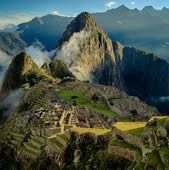
Who needs hiking when you can fly? The company Amazing Peruoffers hour-long flight tours right over the Sacred Valley of the Incas. The plane fits a minimum of eight passengers, and it can also be chartered. Passengers fly over Tipon and Pikillaqta, both archaeological sites, Pisaq and the Urubamba Valley, Sacsayhuaman, and, of course, Machu Picchu itself. Flights can be longer or shorter as requested. "
"You can Om your way through Machu Picchu
Machu Picchu is known as one of the most spiritual lands in the world, so why not go all out and Om your way through its ruins? Amazing Peru offers a seven-day yoga tour where visitors travel from Lima to Cuzco and finally to Machu Picchu, where they stay in the famed sanctuary Lodge hotel right outside of the ruins. They participate in multiple meditation and yoga sessions throughout the trip, but the highlight is a private session smack-dab in the middle of the ruins. Now that is an Om experience worth waiting for."

Wellness & Health Travel and Tours
A round Peru and Latin America tours specifically created for those who need to recharge their physical and mental energies. A nurturing and enlivening...
Private Jet Charters in Peru and Latin America (View here)



- Christmas in Galapagos & Ecuador Travel
- 2026-27 Christmas in Galapagos & Peru New Year Tour
- 2026-27 Christmas in Galapagos & New Year's in Brazil
- Christmas in Peru and Machu Picchu 2026/2027 - View all
- Christmas Brazil Amazon Cruise
- Christmas Vacations in Costa Rica
- Christmas and New Year in Ecuador & Galapagos Islands
- Christmas and New Year in Chile
- Christmas Vacations in Argentina
- 2026 Christmas Peru and Galapagos Tour
- 2026 Christmas Peru and New Year's Galapagos Tour
- Mexico Christmas and New Year
- New Year's in Peru 2026/2027
- New Year's in Brazil
- Christmas Brazil Tour: Iguazu Falls, Amazon River Cruise from Manaus
- Christmas and New Year's in Latin America 2026/2027
- Brazil & Peru Christmas Highlights Tour - 15 days
- Christmas in Antarctica
- Christmas in the Sun & Beaches
- Winter Christmas & Ski Holidays
- Christmas Cruises
- New Year Getaways



Incl. Miraflores Park, Monasterio & Sanctuary Lodge Hotels, all trains, all private tours, finest service guaranteed






Adan
USA
11th November 2026

Theresa W.
SINGAPORE
9th November 2026

- Ultra Luxury-Luxury Retreat Collection
- Luxury Travel Peru
- Luxury Travel Argentina
- Luxury Travel Brazil
- Luxury Travel Chile
- Luxury Caribbean Trips
- Luxury Travel Galapagos
- Luxury Travel Ecuador
- Luxury Travel Machu Picchu
- Luxury Travel Patagonia
- Luxury Travel Iguassu Falls
- Luxury Travel Mexico
- Luxury Travel Guyana
- Luxury Travel Costa Rica
- Luxury Travel Antarctica
- Luxury Travel Panama
- Luxury Travel Peru & Brazil
- Luxury Travel Peru & ecuador
- Luxury Travel Peru & Costa Rica
- Luxury Travel Peru & Mexico
- Luxury Travel Cuba


Free Cuzco & Machu Picchu Travel Guide
Cusco Tours & Travel Packages
Trekking Tours around Cusco
Cusco Hotels
Cusco Restaurants
Cusco Churches
Cusco Museums
Cusco Archeological sites
About Cusco History
Cusco Food and Drink
Sacred Valley of the Incas
Watch our Inca Trail - Videos here
Watch our Gourmet Tour - Video here
- Peru tours, travel & vacations
- Galapagos tours & cruises
- Ecuador tours, travel & vacations
- Chile tours, travel & vacations
- Brazil tours, travel & vacations
- Bolivia tours, travel & vacations
- Argentina tours, travel & vacations
- Surinam tours, travel & vacations
- Venezuela tours, travel & vacations
- Mexico tours, travel & vacations
- Honduras tours, travel & vacations
- Costa Rica tours, travel & vacations
- Cuba tours, travel & vacations
- Panama tours, travel & vacations
- Tahiti tours, travel & vacations
- Guyana tours, travel & vacations
- Bora Bora tours, travel & vacations
- Antarctica tours, travel & vacations
- Luxury Caribbean tours, travel & vacations

Private jet & helicopter charters throughout Peru and Latin America.
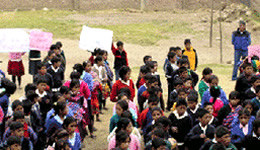
AMAZING PHILANTHROPY
Helping children in one of Peru's poorest village schools supporting hands-on initiatives such as implementation of classrooms to ensuring the robust education, health, and well-being of young children

AMAZING PHILANTHROPY
As part of our philanthropic projects we support the older community to promote sporting and social events in the lesser known regions of Peru.




Honoured to include to distinguished clients by providing jet services and luxury travel in Peru and Latin America
- Robert De Niro Hollywood Actor, Producer & Director
- Zygmunt Solorz-Żak Businessman Forbes Top 100 World's Billionaire
- Diana Raab American Author • Poet • Lecturer Educator and Inspirational Speake
For more information to join our Hiram Bingham Club visit The Hiram Bingham Club © by Amazing Peru:
The Hiram Bingham Club is an exclusive circle of our most passionate & loyal guests - like-minded individuals who want to experience the highest standard in authentic ultra-luxury travel. We have the World’s Most Exclusive Experiences. Venture Beyond the Extraordinary.
