















 Share
Share
Archaeological sites along the Inca Trail
4 days / 3 nights.
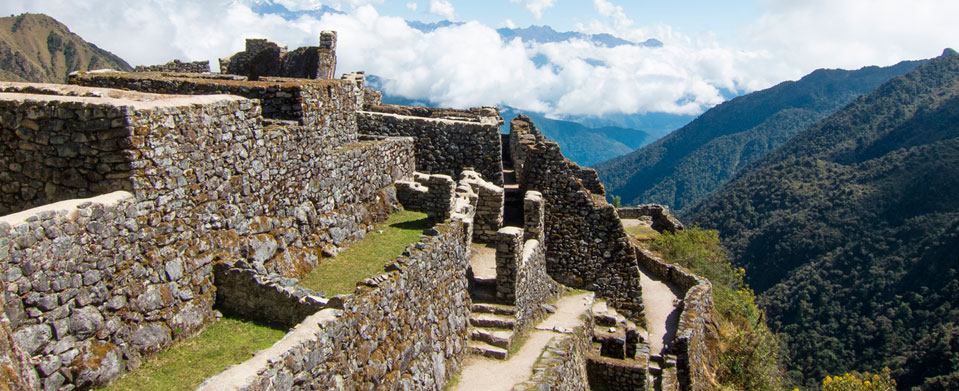
echua is "where wind was used to refine gold" - referring to nearby mines The name was assigned at the beginning of the XX century as its original name is still unknown. Located at around 2500m, it is an impressive archaeological site that includes remains of more than 200 structures: circular dwellings, agricultural storehouses, roads, funeral towers, cemeteries, and ceremonial platforms. Although the ruins lack the grandeur of the lost city of Machupicchu, 22 miles (35 kilometers) to the northeast; they raise new questions about the Inca, whose royalty had withdrawn to the Vilcabamba region in 1537 to wage warfare against the Spanish.
Was Qoriwayrachina a refuge for followers of Manco Inca and his sons, the last Inca kings? Was it also a supply centre, channeling food and precious metals to Choquequirau, the Inca retreat one valley farther south? Or was it built by a previous culture in this steep, forbidding place - and if so, why?
Patallajta or Llaqtapata, "the town on the hillside" is an archaeological complex situated at the foot of a mountain, located at 2650m. Archaeological remains suggest that this settlement was taken over 2000 years ago from pre-Inca people and expanded by the Incas; it is not as impressive a site as those later on the Trail and seems to have been more functional than ceremonial, almost certainly as a centre of food production for supplying other settlements and "tambos" (travelers' rest stations) along the Inca Trail, and Machupicchu itself. Though well planned and constructed, most of the architecture is utilitarian and repetitive in style, the stone work is solid but rough compared with the snugly fitted stones seen at later sites. There are however many terraced fields here, along with an urban sector which has more than a hundred structures, as well as an Inca altar known as "Pulpituyoc".
3. TunasmoqoThe Quechua name means "hill where prickly pears grow". It is a small archaeological site with old enclosures, groups of terraces and vestiges of Inca channels.
4. KusichacaThe Quechua name means "bridge of the happiness"; and the geography of the place gives the impression that there was once a large Andean lagoon here which probably drained into the main valley. The area is rich in archaeological remains, including the bases of the Inca Bridge, the channel of the river and the wall of the channel itself with some other tombs near the vertical flanks of the river.
5. Wayllabamba y PatawasiQuechua name for "green meadow", this is a small, indigenous village located at the foot of a mountain (close to 3000 m) and surrounded by maize and potato crops It is the last populated place on the Inca Trail before arriving to Machu Picchu. The high part of the town is known as Patawasi, quechua for "house in the high place". Here you can find evidences of the prehispanic activity, half destroyed walls, incomplete terraces, some rustic tombs and fragments of aqueducts. On clear days, you will see the snow-covered peaks of the Urubamba Cordillera such as Mount Veronica.
Day 2: 6. Llullucha'a Pampa (not an archaeological site)An exposed flat area of land located prior to the ascent of the first pass. Llulluch'a is an edible vegetable (Nostoc sp) ingredient of the tarwi uchu (typical Andean dish), consequently the name of this place refers to the grassland where this vegetable grows.
7. WARMIWAÑUSQA (not an archaeological site)The "Dead Woman's Pass" is the highest point of the Inca Trail; the walk is arduous, with a long steep climb to the high pass at 4200m. On the trail you will be able to appreciate the change in the surroundings as you pass from the moderate temperatures of the valleys to the arid and cold high plains. The pass is cold and very windy. In the pass you will find an "apacheta" (accumulation of small stones) left by the prehispanic travelers. Some historians state that these "apachetas" were piles of stones thrown by the Indians on rocks, with the custom that they have to throw the chewed coca leaves or the leaves themselves which in turn would deposit their fatigue.
Day 3: 8. RunkutaqayLocated at approximately 3900m, Runkuraqay or the oval building; was probably an Inca tambo or lodge, whose name is derived from its semi-circular design. It is located on spectacular prominent land, appearing to hang from the sky. It was probably built as a vantage point for watching the highway, and perhaps used as a tambo, or a traveler's lodging and temporary storehouse.
9. Sayakmarka
The Quechua name means "inaccessible town" or "dominant town". At an altitude of 3600 m. Sayajmarca was a town of mystery, enchantment and vertigo, a visible head of an old dispersed village. It is in fact another Machupicchu, but smaller; a spur joined to the body of the mountain by a single site. The only access to the ruins is by a steep, but solid, stone staircase carved into the side of the mountain. The abyss on one side is carpeted with exotic plants such as orchids and lichens.
Built on a narrow spur jutting westward below the second pass, it commands a sweeping view of the Aobamba valley and the route ahead to the third pass. In clear weather, the snow peaks of the Pumasillo massif fill the horizon to the west. This construction comprises a labyrinth of very narrow corridors, some with exits and others without, liturgical sources, backyards and channels.
The summit of the spur is full of interesting buildings; a temple and an astronomical observatory at the same time, dwelled of Gods and priests, with a permanent provision of water and food. The territorial privacy was absolute; there was no margin for popular houses; and so Sayakmarka was reserved for the nobility.
A 20m long tunnel through solid rock which the Incas dug to gain easier access to Machu Picchu.
11. PhuyupatamarcaAt an altitude of 3570m, Phuyupatamarka or "town above the clouds" is just after the third pass. This is undoubtedly one of the most unique towns on the Inca Trail. It is almost always covered in mist rising from the cloud forest and is located on the side of a ravine looking down onto the Urubamba Valley and the terraces of Intipata and Wiñaywayna. The views are even better from the high ground just to the side of the third pass from there you can also see the snow-capped peak of Salkantay (6270m) among other mountains. The site is surrounded by terraced fields and ceremonial sources of fresh water. In the upper section there is a plaza from which, on sunny days, the beautiful landscape of the Urubamba Valley can be seen, as well as the adjacent snow peaks. In the lower section there stands circular constructions that seem to imitate the forms of the surrounding landscape. Phuyupatamarca is an archaeological group in the Mountain range of Vilcabamba, its fundamental structures are contained in a hill, and this site was destined for the noble people.
Day 4: 12. IntipataThe Quechua word means "sun place". This is a mainly agricultural complex with a small residential sector, probably built to supplement the food supply to Machupicchu.
13. WiñaywaynaWiñaywayna or "forever young", is the romantic name of this archaeological complex only discovered in 1941. This site is located on the side of a mountain on the left bank of the Urubamba River, at approximately 2500m in altitude. It owes its name to the typical orchids that inhabit the site with their vibrant red, yellow and violet flowers. This is perhaps the most beautiful place on the Inca Trail and the last urban centre before Machupicchu; with its chain of ceremonial baths, intricate maze of houses, temples and workshops, its towering waterfall, and the serene sculpture of its terracing. Wiñaywayna is an imposing curved wall which culminates in a temple whose doorway faces the snow peak of Wakay Willka (Veronica) and which boasts the site's finest architecture. It is therefore assumed to have been a place of religious or social importance.
14. IntipunkuIntipunku, or the "sungate" is in a notch on the hillside, where it is necessary to climb a little staircase before arriving to this impressive site of a floating footpath, with firm slabs inlaid laterally into the mountain. It is at the Sun Gate that trekkers get their first sight of their ultimate destination - Machupicchu, the so-called Lost City of the Incas.
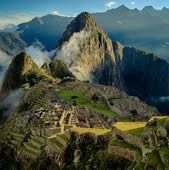
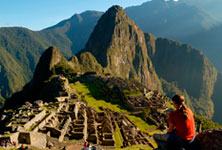
15. MachupicchuMachupicchu was a flourishing ceremonial and agricultural site, probably the gateway to the jungle sector of the Empire. It was closely associated with the earth cult, revolving around the Coca leaf, which was a privilege of the Inca Royal family and the priests. Machu Picchu is the most beautiful and finest preserved Inca city - some claim it is a fortress, but without doubt it is one of the most famous archaeological sites in the world.
End of our services.
 Please Contact Us Here


Who needs hiking when you can fly? The company Amazing Peruoffers hour-long flight tours right over the Sacred Valley of the Incas. The plane fits a minimum of eight passengers, and it can also be chartered. Passengers fly over Tipon and Pikillaqta, both archaeological sites, Pisaq and the Urubamba Valley, Sacsayhuaman, and, of course, Machu Picchu itself. Flights can be longer or shorter as requested. "
"You can Om your way through Machu Picchu
Machu Picchu is known as one of the most spiritual lands in the world, so why not go all out and Om your way through its ruins? Amazing Peru offers a seven-day yoga tour where visitors travel from Lima to Cuzco and finally to Machu Picchu, where they stay in the famed sanctuary Lodge hotel right outside of the ruins. They participate in multiple meditation and yoga sessions throughout the trip, but the highlight is a private session smack-dab in the middle of the ruins. Now that is an Om experience worth waiting for."
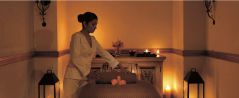
Wellness & Health Travel and Tours
A round Peru and Latin America tours specifically created for those who need to recharge their physical and mental energies. A nurturing and enlivening...
Private Jet Charters in Peru and Latin America (View here)

- Christmas in Galapagos & Ecuador Travel
- 2026-27 Christmas in Galapagos & Peru New Year Tour
- 2026-27 Christmas in Galapagos & New Year's in Brazil
- Christmas in Peru and Machu Picchu 2026/2027 - View all
- Christmas Brazil Amazon Cruise
- Christmas Vacations in Costa Rica
- Christmas and New Year in Ecuador & Galapagos Islands
- Christmas and New Year in Chile
- Christmas Vacations in Argentina
- 2026 Christmas Peru and Galapagos Tour
- 2026 Christmas Peru and New Year's Galapagos Tour
- Mexico Christmas and New Year
- New Year's in Peru 2026/2027
- New Year's in Brazil
- Christmas Brazil Tour: Iguazu Falls, Amazon River Cruise from Manaus
- Christmas and New Year's in Latin America 2026/2027
- Brazil & Peru Christmas Highlights Tour - 15 days
- Christmas in Antarctica
- Christmas in the Sun & Beaches
- Winter Christmas & Ski Holidays
- Christmas Cruises
- New Year Getaways

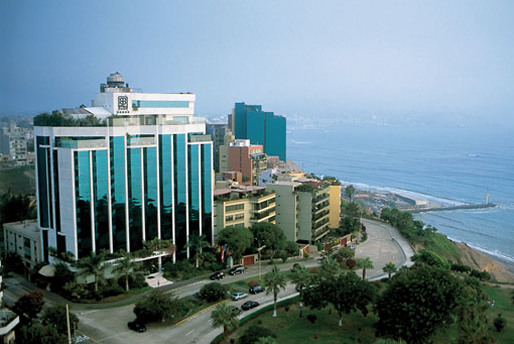
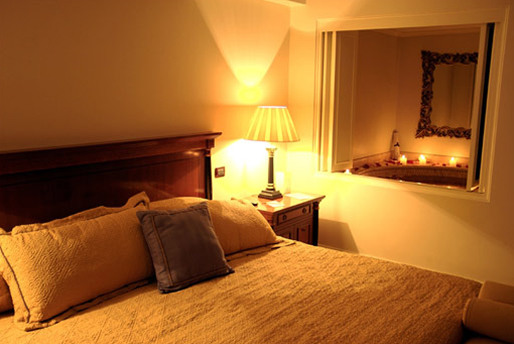
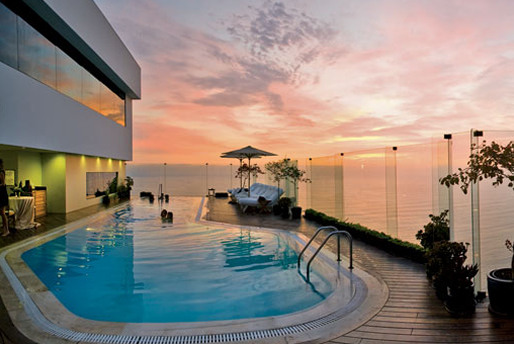
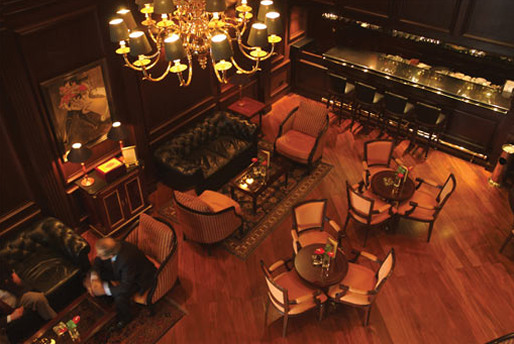
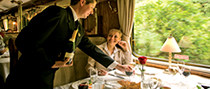
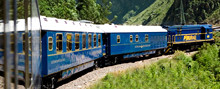
Incl. Miraflores Park, Monasterio & Sanctuary Lodge Hotels, all trains, all private tours, finest service guaranteed




Adan
USA
11th November 2026

Theresa W.
SINGAPORE
9th November 2026
- Ultra Luxury-Luxury Retreat Collection
- Luxury Travel Peru
- Luxury Travel Argentina
- Luxury Travel Brazil
- Luxury Travel Chile
- Luxury Caribbean Trips
- Luxury Travel Galapagos
- Luxury Travel Ecuador
- Luxury Travel Machu Picchu
- Luxury Travel Patagonia
- Luxury Travel Iguassu Falls
- Luxury Travel Mexico
- Luxury Travel Guyana
- Luxury Travel Costa Rica
- Luxury Travel Antarctica
- Luxury Travel Panama
- Luxury Travel Peru & Brazil
- Luxury Travel Peru & ecuador
- Luxury Travel Peru & Costa Rica
- Luxury Travel Peru & Mexico
- Luxury Travel Cuba
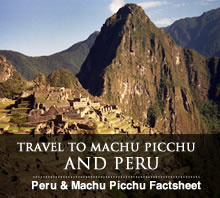

Free Cuzco & Machu Picchu Travel Guide
Cusco Tours & Travel Packages
Trekking Tours around Cusco
Cusco Hotels
Cusco Restaurants
Cusco Churches
Cusco Museums
Cusco Archeological sites
About Cusco History
Cusco Food and Drink
Sacred Valley of the Incas
Watch our Inca Trail - Videos here
Watch our Gourmet Tour - Video here
- Peru tours, travel & vacations
- Galapagos tours & cruises
- Ecuador tours, travel & vacations
- Chile tours, travel & vacations
- Brazil tours, travel & vacations
- Bolivia tours, travel & vacations
- Argentina tours, travel & vacations
- Surinam tours, travel & vacations
- Venezuela tours, travel & vacations
- Mexico tours, travel & vacations
- Honduras tours, travel & vacations
- Costa Rica tours, travel & vacations
- Cuba tours, travel & vacations
- Panama tours, travel & vacations
- Tahiti tours, travel & vacations
- Guyana tours, travel & vacations
- Bora Bora tours, travel & vacations
- Antarctica tours, travel & vacations
- Luxury Caribbean tours, travel & vacations

Private jet & helicopter charters throughout Peru and Latin America.
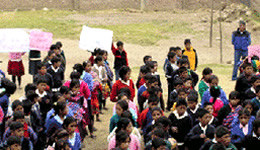
AMAZING PHILANTHROPY
Helping children in one of Peru's poorest village schools supporting hands-on initiatives such as implementation of classrooms to ensuring the robust education, health, and well-being of young children

AMAZING PHILANTHROPY
As part of our philanthropic projects we support the older community to promote sporting and social events in the lesser known regions of Peru.




Honoured to include to distinguished clients by providing jet services and luxury travel in Peru and Latin America
- Robert De Niro Hollywood Actor, Producer & Director
- Zygmunt Solorz-Żak Businessman Forbes Top 100 World's Billionaire
- Diana Raab American Author • Poet • Lecturer Educator and Inspirational Speake
For more information to join our Hiram Bingham Club visit The Hiram Bingham Club © by Amazing Peru:
The Hiram Bingham Club is an exclusive circle of our most passionate & loyal guests - like-minded individuals who want to experience the highest standard in authentic ultra-luxury travel. We have the World’s Most Exclusive Experiences. Venture Beyond the Extraordinary.